The Impact of Artificial Intelligence on HR: Leveraging Technology for Recruitment and Beyond
Introduction
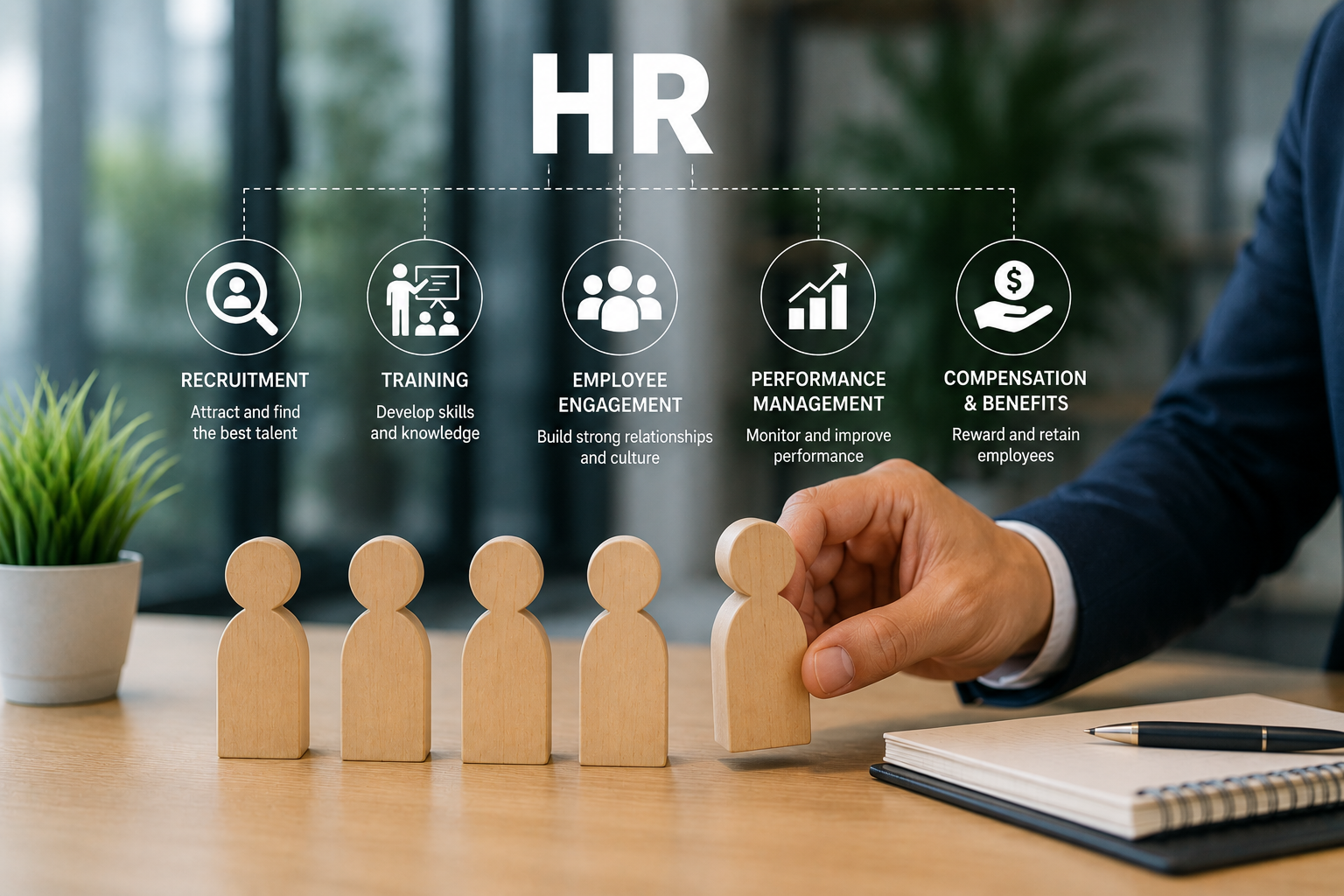
In the digital age, Artificial Intelligence (AI) is significantly transforming Human Resources (HR). From streamlining recruitment processes to enhancing employee engagement and performance management, AI is reshaping the way organizations manage their human capital. This article explores the profound impact of AI on HR, focusing on how technology is revolutionizing recruitment and extending its benefits across various HR functions.
AI in Recruitment: A Game Changer
1. Automated Resume Screening
One of the most time-consuming tasks in recruitment is screening resumes. AI-powered systems can scan and evaluate resumes with incredible speed and accuracy, identifying the most suitable candidates based on specific criteria such as skills, experience, and education. This automation reduces the workload of HR professionals, minimizes human bias, and ensures a more objective selection process.
2. Enhanced Candidate Matching
AI algorithms can analyze vast amounts of data to match candidates with job openings more effectively. These algorithms consider multiple factors, including skills, experience, and even cultural fit, to recommend the best candidates for a role. This sophisticated matching process increases the likelihood of successful hires, reducing turnover rates and improving overall job satisfaction.
3. Efficient Interview Scheduling
Coordinating interviews can be a logistical nightmare, especially in large organizations. AI-driven chatbots and virtual assistants can handle the entire scheduling process, from managing calendar conflicts to sending reminders to candidates and interviewers. This not only saves time but also enhances the candidate experience, making the recruitment process smoother and more efficient.
4. Predictive Analytics in Hiring
AI’s predictive analytics capabilities are a powerful tool for HR teams. By analyzing historical data and current trends, AI can forecast future hiring needs, identify potential skill gaps, and anticipate candidate behavior. This data-driven approach allows HR professionals to develop proactive recruitment strategies, ensuring a steady pipeline of talent and better workforce planning.
Beyond Recruitment: AI’s Role in Other HR Functions
1. Streamlined Onboarding
The onboarding process is crucial for new hires as it sets the tone for their future with the company. AI can enhance onboarding by providing personalized training programs and resources tailored to each new employee’s role and needs. Chatbots can assist with answering common questions, guiding new hires through necessary paperwork, and helping them get acclimated to the company culture.
2. Advanced Performance Management
Traditional performance management systems often rely on periodic reviews, which can be subjective and infrequent. AI-powered performance management systems offer real-time feedback and analytics, helping managers track employee progress continuously. These systems can identify areas for improvement, recognize high performers, and assist in setting personalized development goals, leading to a more engaged and productive workforce.
3. Improved Employee Engagement
Maintaining high levels of employee engagement is a constant challenge for HR teams. AI tools can monitor employee sentiment through surveys, social media analysis, and other feedback mechanisms, providing insights into workforce morale. By understanding how employees feel about various aspects of their work environment, HR professionals can implement targeted strategies to boost engagement and retention.
4. Customized Learning and Development
Continuous learning and development are essential for employee growth and organizational success. AI-driven learning platforms can recommend training courses and development opportunities tailored to individual employees based on their career aspirations, current skills, and performance data. This personalized approach ensures that employees receive relevant and timely training, fostering continuous skill development and career progression.
Challenges and Ethical Considerations
While the benefits of AI in HR are numerous, its implementation also brings challenges and ethical considerations that must be addressed to ensure fair and ethical use.
1. Data Privacy
AI systems process vast amounts of personal data, raising significant concerns about data security and privacy. Organizations must implement robust data protection measures to safeguard sensitive employee information. Compliance with data protection regulations, such as GDPR, is crucial to maintaining trust and avoiding legal repercussions.
2. Algorithmic Bias
AI algorithms can unintentionally perpetuate existing biases if they are trained on biased data sets. For instance, if historical hiring data reflects a preference for certain demographics, the AI system may inadvertently favor those demographics in future hiring decisions. Regular audits and refinements of AI algorithms are essential to ensure fairness and avoid discriminatory practices.
3. Transparency and Accountability
The decision-making processes of AI systems should be transparent and understandable. Both HR professionals and candidates need to know how AI-derived decisions are made. Establishing accountability mechanisms is critical to address any issues that arise and to maintain trust in AI-driven HR processes. This includes having a clear protocol for reviewing and correcting AI decisions that may be unfair or inaccurate.
Conclusion
The integration of AI in HR is transforming the way organizations manage their workforce, particularly in recruitment. By automating repetitive tasks, improving decision-making, and providing valuable insights, AI empowers HR professionals to focus on strategic initiatives and enhance overall efficiency. As AI technology continues to evolve, its impact on HR will expand, offering new opportunities to leverage technology for a more efficient and effective workplace.
AI is not just a tool for improving recruitment processes but a comprehensive solution that enhances various HR functions. By addressing the challenges and ethical considerations associated with AI, organizations can fully harness its potential to create a better and more inclusive work environment. Embracing AI in HR is not just about keeping up with technological advancements but also about fostering a culture of continuous improvement and innovation.
Organizations like PT Talentive Consulting Indonesia are at the forefront of this transformation, helping businesses leverage AI to optimize their HR practices. By integrating cutting-edge AI solutions, PT Talentive Consulting Indonesia is enabling companies to achieve greater efficiency, better decision-making, and a more engaged and productive workforce.